The Difference Between Luck And Strategy In Gambling
Gambling has long been associated with excitement, risk, and the allure of winning big. Many people enter casinos, online platforms, or betting environments hoping for a lucky break. However, the distinction between luck and strategy is crucial for understanding how to approach gambling responsibly and maximize the chances of success. While luck is uncontrollable, strategy involves making informed decisions, managing risks, and applying knowledge effectively.
Understanding Luck In Gambling
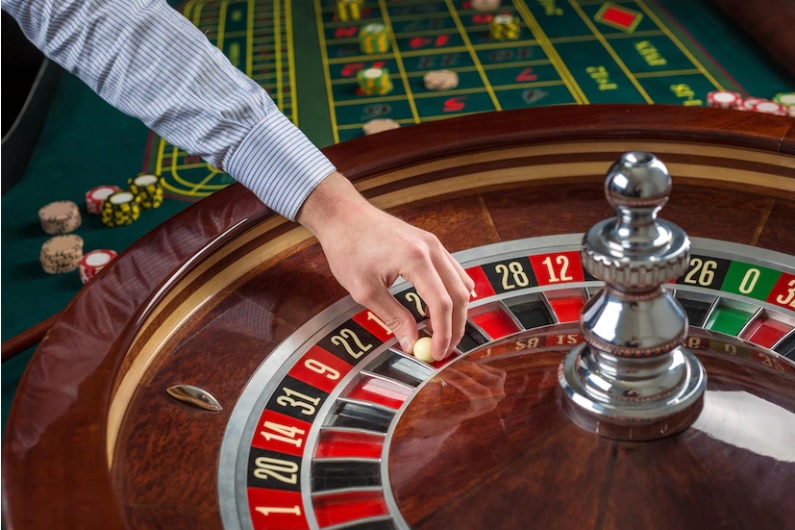
Luck refers to outcomes that occur by chance and cannot be predicted or influenced. In games like roulette, slot machines, and lotteries, luck plays a dominant role. A spin of the wheel or a draw of numbers is completely random, and no amount of preparation guarantees a win. Relying solely on luck can lead to inconsistent results and may increase the risk of losses.
Being aware of randomness and probability helps gamblers manage expectations. Following small business news highlights how analyzing data and trends improves decision-making, similar to understanding the role of chance in gambling.
The Role Of Strategy
Strategy, on the other hand, is about using knowledge, analysis, and planning to influence outcomes within the rules of the game. Games such as poker, blackjack, and sports betting allow for strategic decisions. Players can improve their odds by understanding probabilities, reading opponents, and managing their bankroll effectively. Unlike luck, strategy is something that can be developed and refined over time.
Long-term consistency leads to measurable results. Observing patterns in company net worth illustrates how strategic planning and smart decision-making generate growth over time, paralleling how a solid gambling strategy can improve overall performance.
Managing Risk And Bankroll
An essential part of strategy is risk management. Setting limits on the amount of money to wager and establishing rules for losses and wins prevents impulsive decisions and protects the gambler’s funds. Responsible management ensures that gambling remains an enjoyable activity rather than a source of financial stress.
Structured approaches are effective in many areas. Just as company net worth reflects careful resource allocation and strategic decisions, managing a gambling bankroll requires foresight and discipline.
Combining Luck And Strategy
Even in games dominated by luck, understanding odds and employing basic strategies can make a difference. For example, choosing games with better odds, knowing when to stop, and leveraging promotions or bonuses can optimize outcomes. Combining strategic thinking with the natural element of luck allows for more informed decision-making.
Consistency and smart planning in digital and entertainment platforms matter as well. A well-curated pinsyflix profile demonstrates intentionality and engagement, similar to how strategic gambling enhances the experience while respecting the unpredictable nature of chance.
Psychological Awareness
A key element of successful gambling is recognizing the role of psychology. Emotions like excitement, frustration, or greed can cloud judgment. Players who understand their own behavior, set realistic goals, and stick to their strategies tend to perform better over time. Awareness and self-control complement strategic approaches, reducing the influence of impulsive decisions.
Even in social networks, tracking behavior improves outcomes. Using tools like snapchat planets best friends list to monitor interactions mirrors the way understanding personal tendencies can enhance strategy and decision-making in gambling.
The Importance Of Education And Practice
Knowledge is power in strategic gambling. Learning the rules, probabilities, and strategies of different games equips players to make better choices. Practice, either through free games or small wagers, allows individuals to refine techniques and understand risk without significant losses.
Staying informed is critical in both professional and recreational contexts. Insights from small business news provide guidance on trends and planning, showing that education and preparation improve performance, much like studying a game enhances strategic decisions.
Conclusion
Understanding the difference between luck and strategy is essential for anyone interested in gambling. While luck is unpredictable and beyond control, strategy involves careful planning, knowledge, and disciplined execution. Combining both with effective risk management, psychological awareness, and practice can improve outcomes and make gambling more enjoyable. Monitoring long-term growth and decision-making patterns, as seen in company net worth, staying informed through small business news, presenting yourself thoughtfully via platforms like pinsyflix, and tracking behavioral patterns with tools like snapchat planets best friends list ensures that gambling is approached responsibly. By recognizing the interplay between chance and strategy, players can maximize their experience while safeguarding their financial well-being.