

The Psychology Behind Why People Gamble?
Gambling has fascinated human beings for centuries. From dice games in ancient cultures to high-tech online casinos, the thrill of chance continues to attract millions worldwide. But beyond the flashing lights and jackpots, gambling is deeply tied to psychology. People gamble not only for financial gain but also for emotional, social, and psychological reasons. Understanding these motivations reveals why gambling remains such a powerful force in human behavior.
The Allure Of Risk And Reward
At its core, gambling is about risk and reward. The brain releases dopamine—the “feel-good” chemical—when we anticipate potential rewards. This dopamine surge doesn’t just happen when people win; it also spikes when they come close to winning or imagine the possibility of success. This creates a cycle that keeps individuals engaged.
Much like someone using a hidden face dp for girls to create mystery and anticipation online, gambling thrives on the tension of the unknown. The uncertainty itself becomes addictive, drawing players back again and again to chase that next “big win.”
Gambling As A Social Experience
While many people gamble alone, it is often a highly social activity. Casinos, poker nights, and even online platforms provide spaces where individuals connect, share experiences, and build communities. The camaraderie adds to the enjoyment, making gambling about more than just money.
In the business world, networking platforms such as an serve a similar function by connecting people with shared interests. Gambling venues mirror this idea, offering an environment where individuals bond over shared excitement, strategies, and the emotional highs and lows of chance.
Escaping Through Gambling
For some, gambling is not only about fun—it’s also a way to escape reality. Life can bring stress, sadness, or boredom, and gambling provides a temporary distraction. The environment of games, lights, and excitement creates a bubble that helps people forget their problems for a while.
This escapism is not unlike finding solace in literature or art. For instance, sad story shayari often reflects deep emotions and pain, providing a release for the writer and comfort for the reader. In the same way, gambling can feel like a temporary escape from difficulties, though it risks becoming harmful if used as the sole coping mechanism.
The Role Of Illusion And Control
One psychological factor that drives gambling is the illusion of control. People often believe that their skill, strategy, or lucky rituals influence the outcome of games that are mostly chance-based. Rolling dice a certain way or picking “lucky numbers” provides a sense of control, even if it doesn’t actually change the odds.
This sense of control is powerful because it allows players to believe they can influence their fate. For many, that illusion is part of what makes gambling so irresistible—it transforms games of chance into personal challenges.
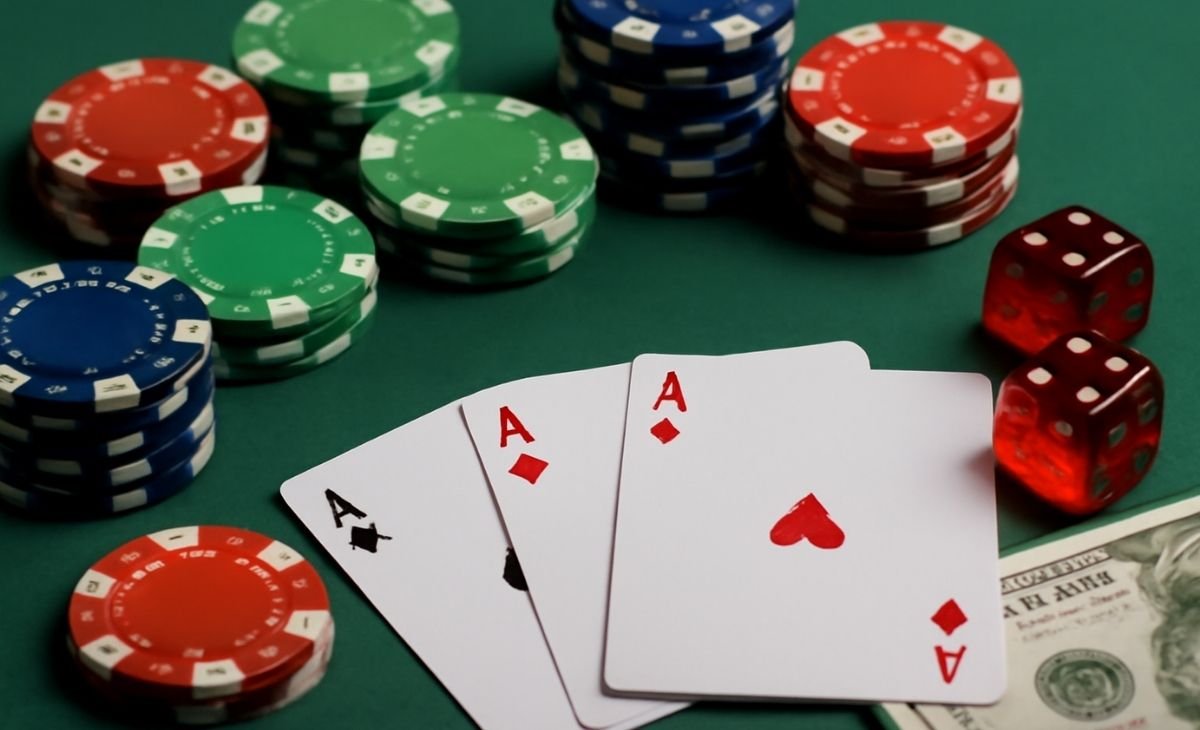
Gambling As A Symbol Of Hope
Gambling also taps into human hope—the idea that one big win could change everything. The thought of financial transformation appeals to those who dream of a better life, whether it’s paying off debts, traveling, or buying a dream home.
For example, browsing properties for sale Australia might inspire dreams of owning a luxurious home. Similarly, gamblers often imagine how their winnings could transform their lives. Even if the odds are low, the hope of possibility fuels their motivation to keep playing.
Pleasure And Entertainment
Not all gambling stems from escapism or financial motivation. For many, it is simply a form of entertainment. People enjoy the excitement, the sensory stimulation of bright lights and sounds, and the satisfaction of small wins. Gambling offers a break from routine life and provides the kind of thrill that’s hard to find elsewhere.
It’s similar to visiting a restaurant in Australia—the outing isn’t only about food but also about atmosphere, experience, and enjoyment. In the same way, gambling provides a form of leisure that entertains while also delivering emotional highs.
Risks And Responsible Gambling
While the psychology behind gambling explains its appeal, it’s important to recognize the risks. The same dopamine rush that excites can also lead to compulsive behavior. The illusion of control, the dream of a big win, and the desire for escape can trap people in unhealthy cycles.
Responsible gambling emphasizes balance. Setting limits, knowing when to stop, and treating gambling as entertainment rather than income are essential strategies. Awareness of psychological triggers allows individuals to enjoy gambling while minimizing risks.
Conclusion
The psychology of gambling is complex, blending hope, risk, social interaction, and escapism. People gamble not only for the chance of financial gain but also for emotional fulfillment and entertainment. By understanding these motivations, we gain a clearer picture of why gambling remains deeply ingrained in human culture. Like many human activities, gambling reflects both our vulnerabilities and our strengths. It shows our desire for connection, excitement, and better futures. The key lies in recognizing these psychological drivers and ensuring that the enjoyment of gambling is balanced with responsibility.

